Red Cloth Font: A Playful Tool for Creative Branding
Understanding the Red Cloth Typeface
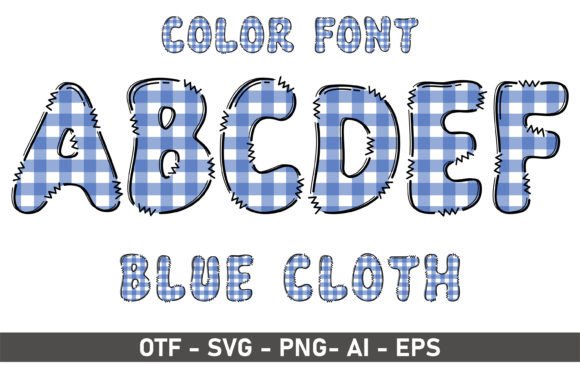
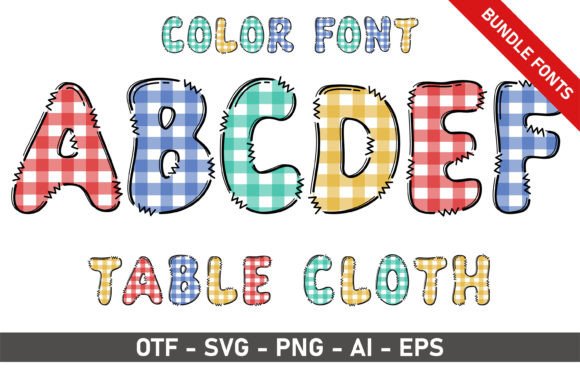
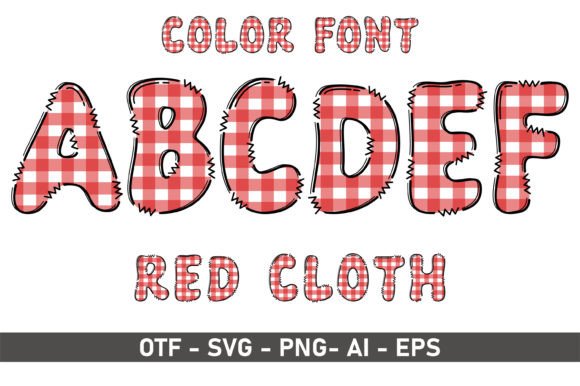
When you’re designing a project that needs a bit of character, the typography you choose sets the entire mood. Red Cloth is a font that immediately stands out because of its whimsical and artistic nature. It’s not your standard corporate typeface; it’s a display font that feels handcrafted and lively. Visually, it combines the charm of a handwritten font with the structure of a serif font, giving it a unique texture that looks almost like it was stitched or cut from fabric.
The personality of Red Cloth is undeniably playful. It has a rhythm to it that feels organic, avoiding the rigid geometry of modern sans serif font styles. If you are working on a brand that wants to appear approachable, creative, or nostalgic, this typeface delivers that message instantly. It’s the kind of premium font that adds a layer of sophistication to playful designs, ensuring they don’t look amateurish while still maintaining a fun vibe.
Where Red Cloth Shines: Real-World Applications
Finding the right context for a creative font like this is crucial. Because of its distinct style, Red Cloth isn't meant for body copy in a long report, but it excels in areas where impact and emotion are key. It is particularly effective in editorial design and packaging design. Imagine a boutique bakery’s logo or a small-batch jam label; this font brings that artisanal, handmade quality to the forefront.
It is also a fantastic choice for children’s books and educational materials. The letterforms are engaging and easy for young readers to recognize, creating an inviting atmosphere for storytelling. For social media graphics, where you have milliseconds to grab attention, Red Cloth provides the necessary visual pop to stop the scroll. It works beautifully for:
- Greeting cards and invitations: Its artistic flair makes celebrations feel more personal and curated.
- Logo design: Ideal for brands in the creative, lifestyle, or children's sectors.
- Poster design: Use it for headlines to draw viewers into the details of the event.
- Merchandise: Its bold personality translates well onto T-shirts, tote bags, and mugs.
Technical Compatibility: Crafting with Confidence
As a designer or crafter, technical limitations can be frustrating, so it’s important to understand how Red Cloth functions across different platforms. If you are working with cutting machines like a Cricut, you need to be aware of the file versions. The black version of this commercial font is fully compatible with Cricut Design Space and other cutting software. This makes it a reliable design asset for vinyl decals, paper crafting, and stencils.
However, if you want to use the color version of the font—which is often more vibrant and detailed—you will need specific software. The color version works in professional web design and graphic design programs like Adobe Photoshop, Illustrator, and Inkscape. It is not compatible with Cricut Design Space due to how the machine reads color data. This distinction is vital for maintaining your workflow efficiency. Always ensure you are installing the correct format (OTF or TTF) for your specific design environment to avoid headaches later.
Strategic Typography and Brand Identity
Choosing a font is more than just picking something that looks nice; it’s a strategic decision that influences brand identity. Red Cloth signals creativity and warmth. If you are a blogger or a small business owner, using this font consistently helps build a recognizable voice. It creates a specific expectation for your audience—that your content will be vibrant, artistic, and perhaps a little bit fun.
However, effective modern typography relies on balance. Because Red Cloth is a strong display font, it needs to be paired wisely. It usually works best when contrasted with a clean, readable sans serif font or a simple serif font for body text. This creates a clear visual hierarchy, ensuring that your headlines grab attention while your supporting text remains legible. Good font pairing prevents the design from becoming chaotic and ensures your message is communicated clearly.
Practical Tips for Using Red Cloth
When integrating Red Cloth into your projects, keep a few practical guidelines in mind to maximize its impact. First, consider the medium. While it looks stunning on screen for web design, always test how it prints. Sometimes, very intricate details in artistic fonts can get lost on low-quality paper or small print runs.
Second, evaluate the fit for your specific audience. While it is perfect for a toy store or a creative agency, it might feel out of place on a corporate banking website. Knowing your audience helps you decide if the playful nature of the font aligns with their expectations. Finally, check the licensing. Since this is a premium font, ensure your license covers your intended use, whether it’s for personal projects or commercial client work. By treating Red Cloth