Steampunk: The Art of Industrial Elegance in Typography
There’s a specific feeling you get when you encounter a typeface that does more than just spell out words. It builds a world. The Steampunk font is one of those rare finds, a true premium font that carries a narrative in every curve and shadow. It doesn’t just sit on the page; it evokes the hiss of steam, the glint of polished brass, and the intricate mechanics of a bygone imagined future. This isn’t your typical serif or sans serif font. It’s a creative font designed for projects that need a distinct personality, a strong voice, and a touch of industrial grandeur.
Where Character Meets Craft: The Visual Soul of Steampunk
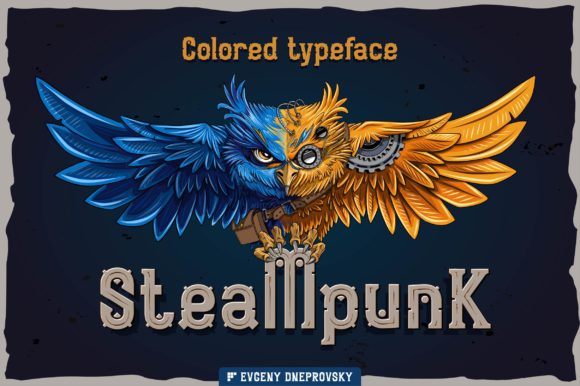
At its core, the Steampunk typeface is a masterclass in decorative display typography. Its visual identity is built on a foundation of Victorian-era elegance, fused with the raw, mechanical aesthetics of early industrial machinery. You’ll notice the hallmarks immediately: letterforms that mimic riveted metal plates, subtle gear-like accents, and a texture that feels both aged and meticulously crafted. The color font (Opentype-SVG) technology is what brings it to life, allowing for built-in gradients, shadows, and multi-tone effects that give each letter a tangible, three-dimensional quality. This transforms the font from a simple design asset into a piece of art.
The personality of the Steampunk font is bold, adventurous, and slightly nostalgic. It’s not trying to be minimalist or corporate. Instead, it leans into a style that’s theatrical and full of texture. This makes it an incredibly powerful tool for grabbing attention and setting a specific mood. Whether you’re designing a logo, crafting a book cover, or creating social media graphics, using this typeface signals a commitment to a unique and immersive aesthetic. It speaks to an audience that appreciates detail, story, and a sense of discovery.
Practical Applications: From Branding to Personal Projects
Knowing where a font as distinctive as Steampunk works best is key to unlocking its potential. Its strength lies in contexts where you need to make an immediate, memorable impact. Think of it as the headline act, not the background singer.
- Brand Identity & Logo Design: For businesses in niche markets—craft breweries, bespoke tailors, escape rooms, vintage retailers, or adventure-themed brands—this font can become the cornerstone of a powerful brand identity. A logo set in Steampunk doesn’t just identify a company; it tells customers what kind of experience to expect.
- Publishing & Editorial Design: It’s a natural fit for book covers in the science fiction, fantasy, or historical fiction genres. Use it for chapter titles, drop caps, or pull quotes to add a layer of visual storytelling. For magazines or blogs covering DIY, maker culture, or retro-tech, it adds authentic flair to headlines.
- Packaging & Product Design: Imagine a label for a small-batch coffee blend, a craft spirit, or artisanal chocolate. The Steampunk font can elevate packaging from ordinary to collectible, suggesting quality, tradition, and a handcrafted ethos.
- Digital & Print Marketing: When used strategically, it can make web design headers, event posters, or social media graphics stop the scroll. It’s particularly effective for promotional materials for themed events, festivals, or product launches where a bold statement is needed.
- Personal & Hobbyist Use: For crafters and hobbyists, the font is a gem. It can transform a scrapbook page, a custom invitation for a themed party, or a personalized gift into something truly special.
Working With Steampunk: A Designer’s Practical Guide
Integrating a font with this much character requires a thoughtful approach. Its power lies in its specificity, so a few practical considerations will ensure your project succeeds.
Evaluating Project Fit: The first question to ask is: does my project’s core message align with this font’s personality? A law firm’s website might not be the right setting, but a vintage-inspired tech startup could use it brilliantly for a specific campaign. The font is a display powerhouse, so reserve it for headlines, logos, and short bursts of text where its details can shine.
Mastering Font Pairing: This is perhaps the most critical step. The Steampunk font has a strong voice, so it needs a partner that can complement without competing. For body text or longer descriptions, pair it with a highly legible, neutral sans serif font or a clean serif font. A simple, modern sans serif can create a striking contrast that feels both contemporary and historical. Avoid pairing it with other ornate script fonts or handwritten fonts, as this can lead to visual clutter and readability issues.
Leveraging the Color Font Features: As an Opentype-SVG color font, Steampunk offers unique capabilities. In compatible software like Adobe Photoshop or Illustrator, you’ll access the full, richly textured version. It’s essential to check compatibility, as noted in the product details—this font is not compatible with Cricut. Always test the font in your specific design environment to see how the color and texture render. Review any included styles or weights, as they might offer variations in texture or ornamentation that can add subtle variety to your project.
Prioritizing Readability: The decorative nature of the font means readability is paramount. Use it at larger sizes where the intricate details are clear. For any body copy, always switch to a simpler, more legible typeface. Conduct a quick squint test: if you can still grasp the word’s shape and meaning from a distance, you’re on the right track.
Understanding Commercial Licensing: Before using the font in a client project or for commercial sale (like on merchandise), carefully review the licensing agreement. Most premium fonts require an extended license for commercial use. This ensures you’re using the asset legally and respecting the designer’s work, which is a cornerstone of professional practice.
Ultimately, the Steampunk font is more than just a collection of letters. It’s a design toolkit for creating atmosphere. Used with intention, it can bring a level of depth, story, and craftsmanship to your work that resonates deeply with your audience, turning a simple design into a memorable experience.